
Leading Foundation Repair Products To Address Common Structural Challenges
Identify top solutions that tackle foundation issues efficiently, ensuring your home's safety and longevity.
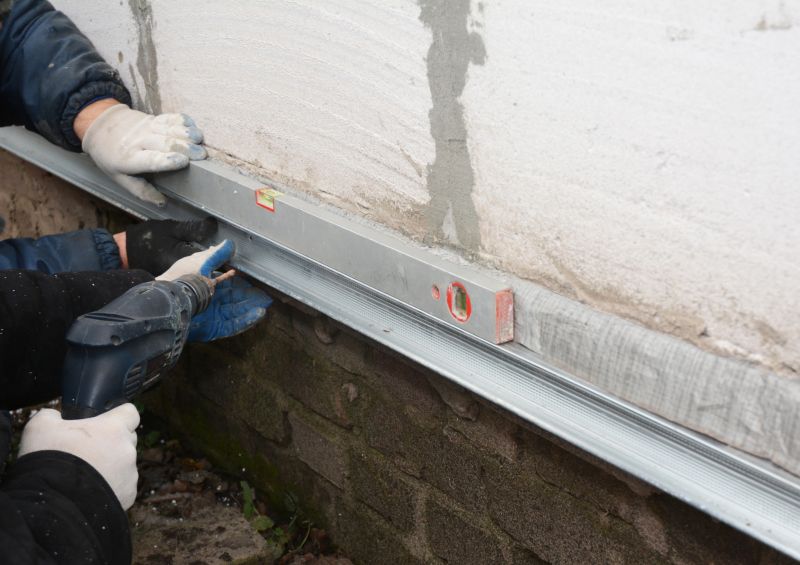 Foundation repairs are a critical aspect of maintaining the structural integrity of a building, especially in regions like Elkhart, IN, where soil conditions and weather patterns can influence foundation stability. When considering foundation repair products, it is important to understand the variety of solutions available to address different types of issues such as settling, cracking, or shifting. These products are designed to reinforce, stabilize, or lift a foundation to prevent further damage and ensure safety.
Top Overall Option
Concrete Pier and Underpinning System
A concrete pier and underpinning system provides a stable foundation base by supporting and lifting the structure through a series of reinforced concrete piers. This method is versatile and can accommodate various soil conditions, making it suitable for addressing significant foundation settling or shifting issues. Properly installed, it offers long-term stability and can be customized to fit the specific needs of a property. Selecting a high-quality system and professional installation ensures optimal performance and durability.
Types of Products For Foundation Repairs
Carbon Fiber Reinforcement Strips
Used to reinforce cracked or bowing basement walls, these strips are bonded to the interior surface to add strength and prevent further cracking.
Polyurethane Foam Injection Kits
Designed for sealing small cracks and preventing water intrusion, these kits expand to fill gaps and stabilize the surrounding soil.
Push Piers
A type of underpinning that lifts and stabilizes a settling foundation by driving steel piers into load-bearing soil beneath the structure.
Helical Piers
These are screw-in foundation piers used for stabilization and lifting in areas with challenging soil conditions, offering quick installation.
Slab Jacking and Mudjacking
A process that involves injecting a slurry beneath a concrete slab to lift and level it, often used for driveways and patios.
Foundation Bolts and Anchors
Used to secure the sill plate to the foundation, providing additional stability to the structure.
Steel Push Piles
Heavy-duty supports driven into the ground to stabilize and lift foundations in severe cases of settlement.
Soil Stabilization Products
Chemical or mechanical solutions aimed at improving soil bearing capacity around the foundation to prevent future movement.
Drainage Systems
Installing proper drainage helps reduce soil moisture fluctuations that can cause foundation movement.
Crack Repair Mortars
Specialized mortars used to fill and seal cracks in foundation walls to prevent water ingress and further deterioration.
Foundation Waterproofing Membranes
Applied to exterior or interior surfaces to prevent water penetration and protect the foundation structure.
Underpinning Plates and Jacks
Components used in underpinning systems to lift and stabilize foundations during repair processes.
Grout Injection Systems
Used to fill voids and stabilize soil beneath the foundation, often in conjunction with underpinning methods.
Vibration and Soil Compaction Equipment
Tools that improve soil density around the foundation area, enhancing stability and load-bearing capacity.
Popular Choices
A popular choice for reinforcing basement walls and preventing further cracking in foundation structures.
Frequently used for stabilizing foundations in areas with poor soil conditions, offering reliable support.
Commonly selected for sealing small cracks and preventing water leaks in foundation walls.
Used in slab jacking to lift sunken concrete surfaces, providing a minimally invasive repair option.
A trending solution for severe settlement issues, offering strong support and stability.
Popular for managing water around foundations, reducing moisture-related movement.
Widely used to stabilize bowed or cracked walls by anchoring them to stable soil or framing elements.
Effective for sealing cracks and restoring structural integrity in concrete foundations.
Chosen for enhancing soil strength and preventing future settlement issues.
Trending for improving soil density before foundation repair work begins.
Increased popularity for preventing water intrusion in vulnerable foundation areas.
All-in-one kits for small-scale repairs, including crack fillers, sealants, and stabilization tools.
Choosing the right foundation repair products requires careful assessment of the specific problem, soil conditions, and the type of foundation involved. Some products are suitable for minor cracks and superficial stabilization, while others are engineered for extensive underpinning or lifting. Proper installation and compatibility with existing structures are essential factors to consider, along with the long-term durability and effectiveness of the chosen solutions.
Professional consultation is often recommended to accurately diagnose foundation issues and determine the most appropriate products. Many repair systems are designed to be minimally invasive, allowing for repairs without extensive excavation or disruption to the property. Regular maintenance and inspections can also help identify early signs of foundation movement, enabling timely intervention with suitable repair products.
By understanding the range of available foundation repair products and their applications, homeowners and contractors in Elkhart, IN, can make informed decisions that contribute to the longevity and safety of a building. Whether dealing with minor cracks or major structural concerns, there are diverse options tailored to different needs and budgets. Prioritizing quality, compatibility, and professional guidance can lead to more effective and lasting foundation repairs.
Key Buying Considerations
- Assess the extent and type of foundation damage to determine suitable repair products.
- Compatibility of the product with the existing foundation material and structure.
- Soil conditions and how they influence the choice of stabilization methods.
- Long-term durability and resistance to environmental factors such as moisture and temperature changes.
- Ease of installation and whether professional assistance is recommended.
- Potential impact on the property’s landscape and surrounding structures during repair.
- Cost considerations, including initial investment and long-term maintenance requirements.
- Availability of technical support and warranty from the supplier or manufacturer.
- Regulatory compliance and whether the product meets local building codes.
- Historical performance and reviews of the product in similar applications.
- Compatibility with other repair methods planned or already in place.
- Environmental factors that could influence the effectiveness of the repair system.
- Ease of future inspections and repairs if needed.
- The potential for minimal disruption during installation.