Optimal Seasons for Foundation Repairs
Foundation repairs are most effectively performed during specific times of the year when environmental conditions favor stability and safety. Understanding the optimal timing can help ensure the longevity and success of repair projects.
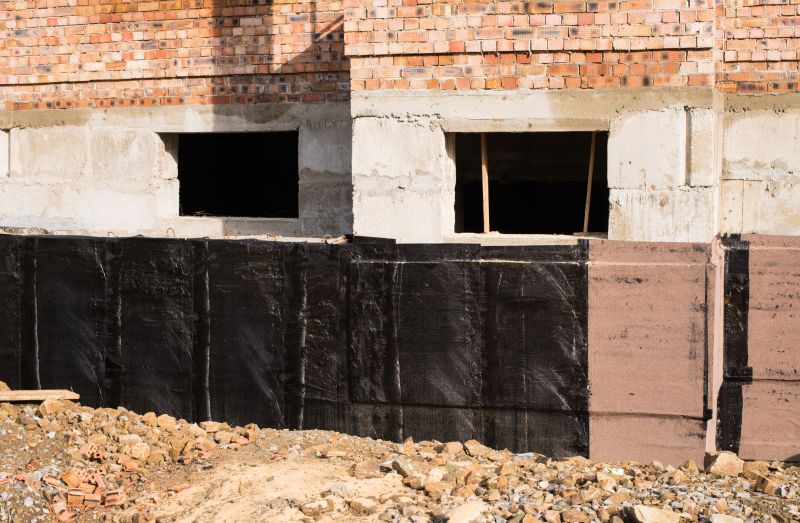
Spring offers moderate weather conditions, making it suitable for foundation work after winter thaw.
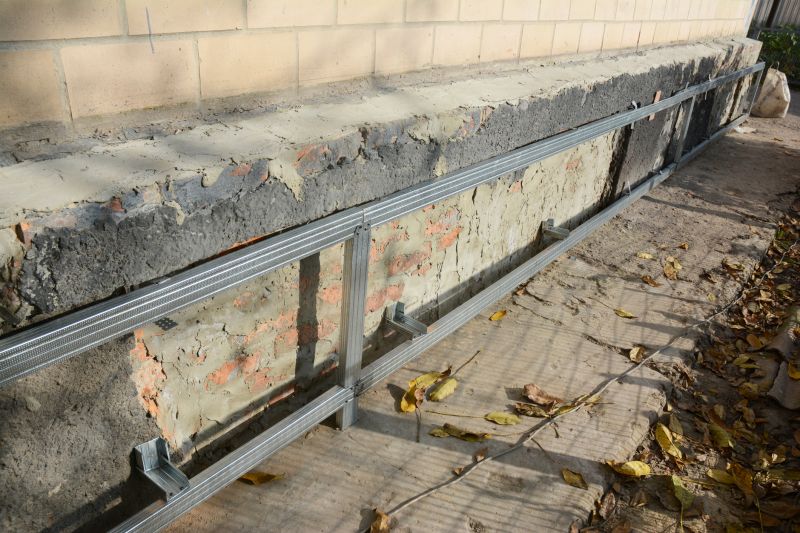
Summer provides longer days and stable temperatures, ideal for extensive repairs.
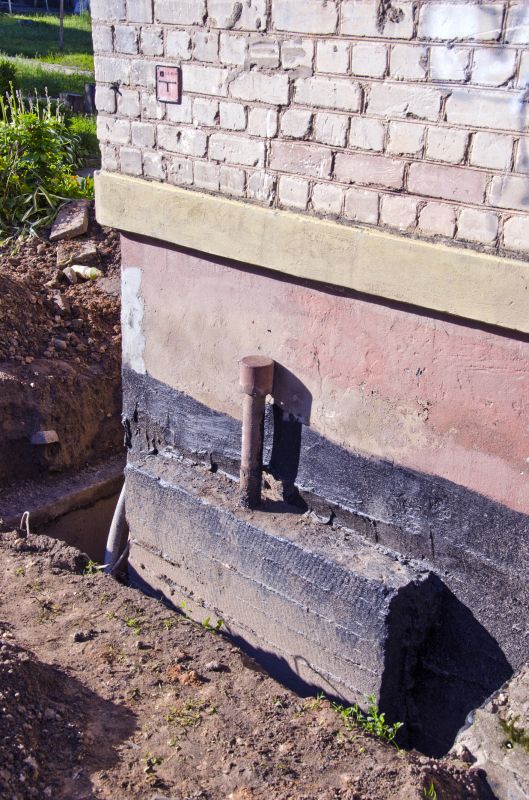
Fall's cooler temperatures and dry weather can facilitate effective repairs before winter.
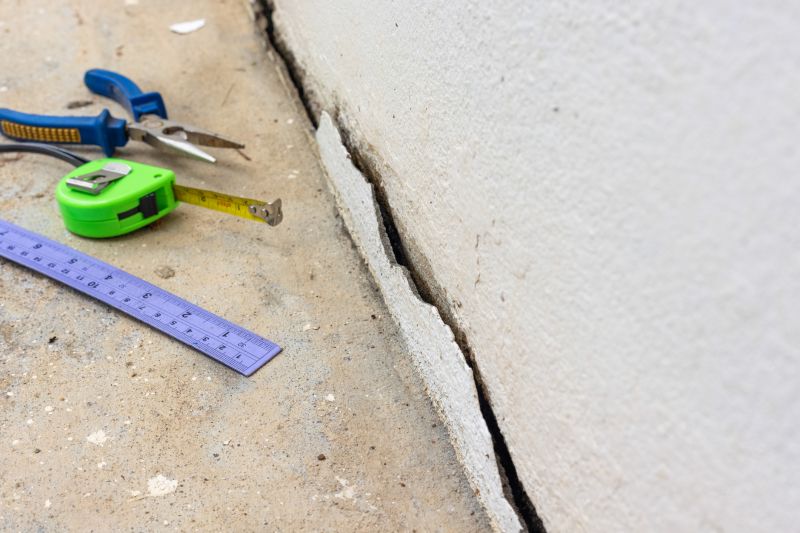
Ways to make Foundation Repairs work in tight or awkward layouts.
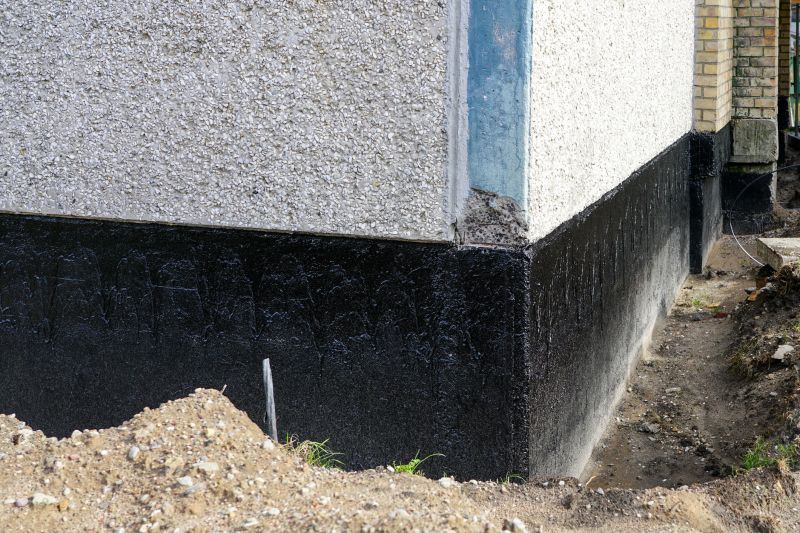
Popular materials for Foundation Repairs and why they hold up over time.
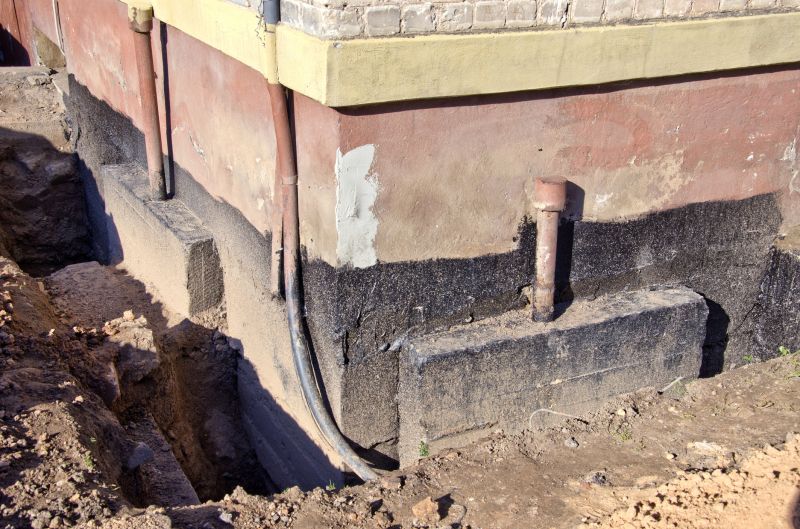
Simple add-ons that improve Foundation Repairs without blowing the budget.
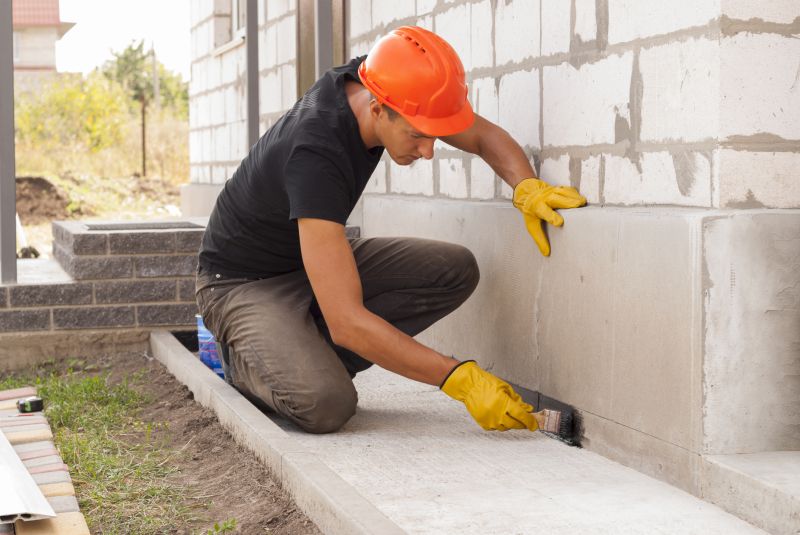
High-end options that actually feel worth it for Foundation Repairs.
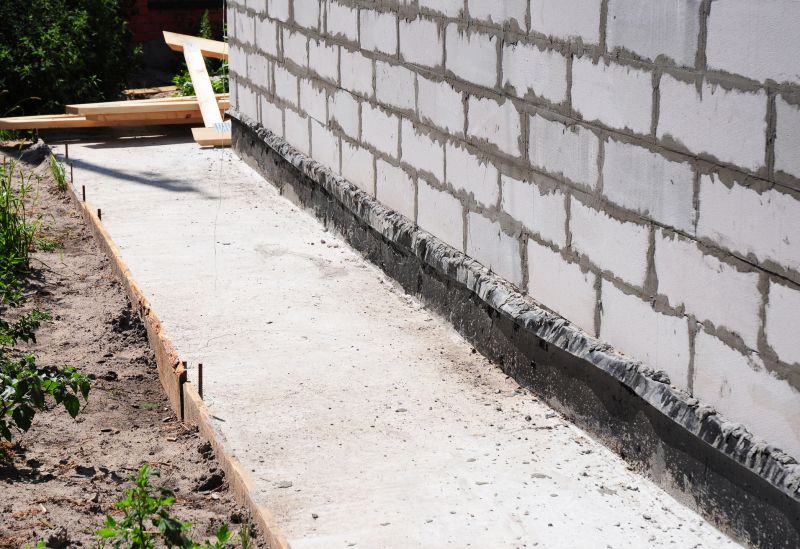
Finishes and colors that play nicely with Foundation Repairs.
Foundation repairs involve addressing issues such as settling, cracking, and shifting that compromise structural integrity. Timely intervention can prevent further damage and costly repairs. Factors influencing the best timing include weather conditions, soil moisture levels, and temperature stability.
Moderate temperatures and thawing ground create favorable conditions for foundation stabilization.
Extended daylight hours and dry conditions enable efficient work and curing times.
Cooler, dry weather reduces the risk of moisture-related issues during repairs.
Freezing temperatures and frozen ground can hinder repair work and affect materials.
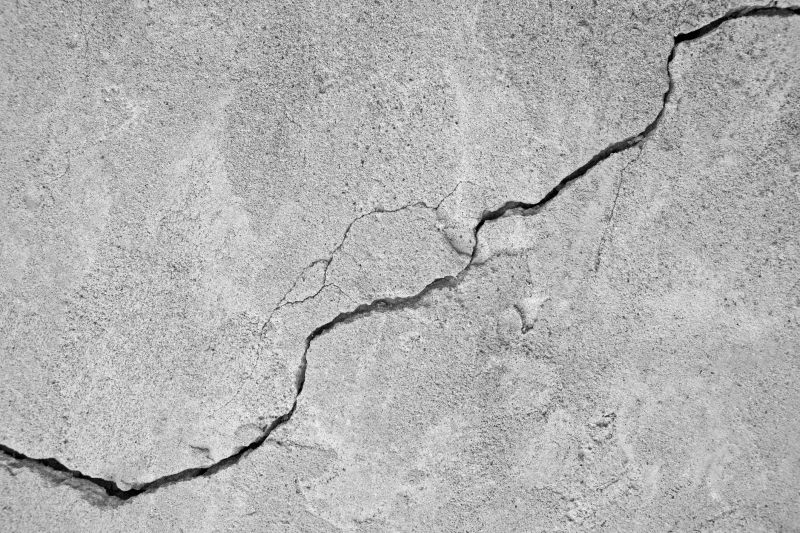
Addressing cracks early prevents further structural issues.
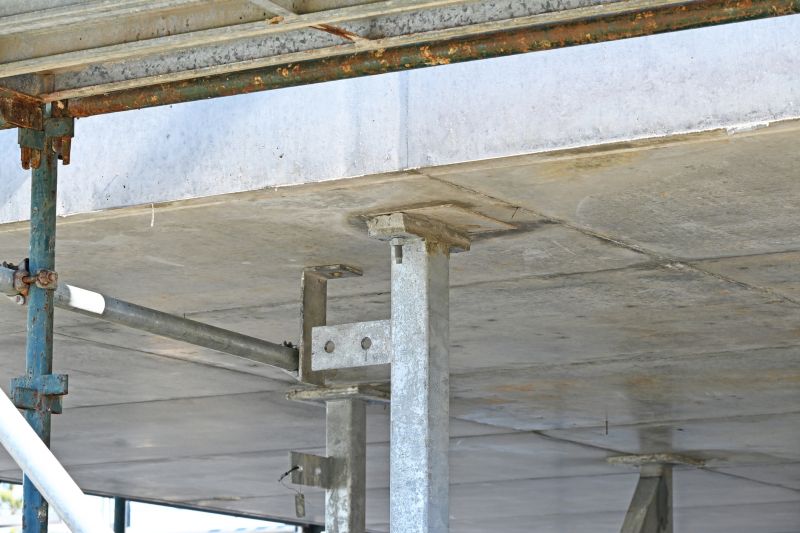
Proper timing ensures effective stabilization of piers and beams.
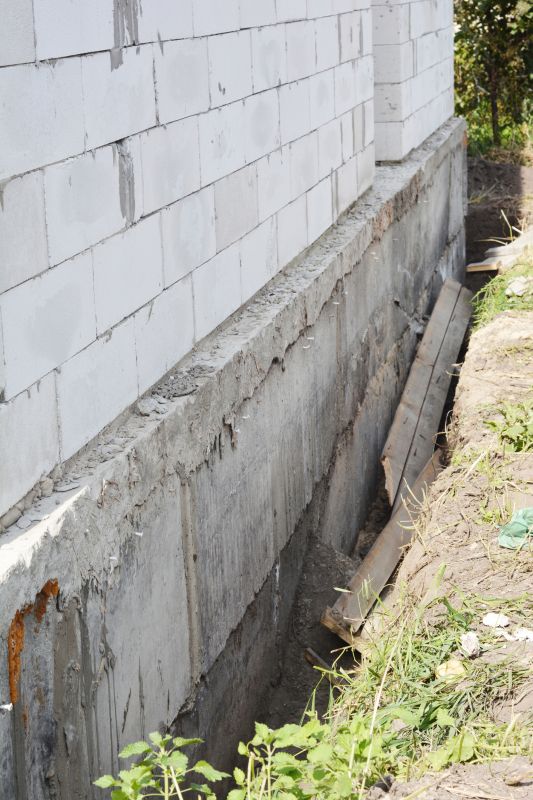
Timing repairs during dry seasons improves soil stability.
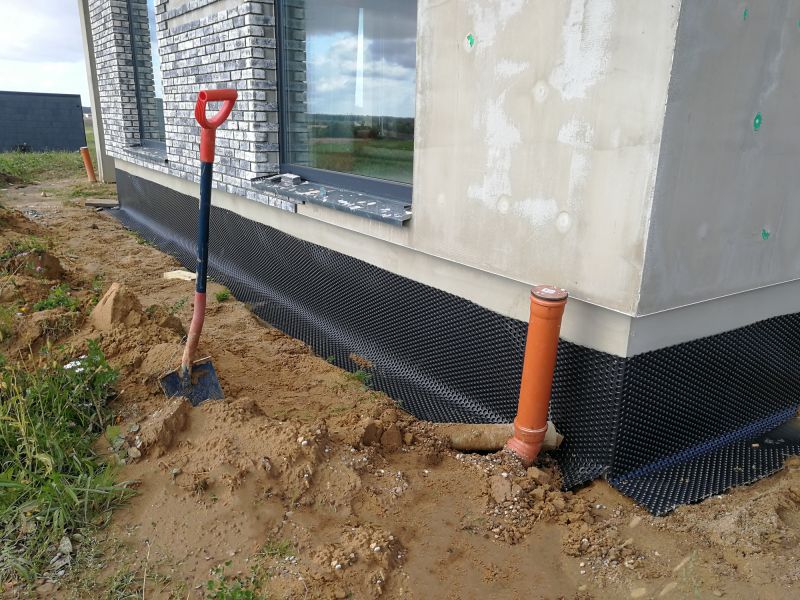
Proper weather conditions support effective drainage system installation.
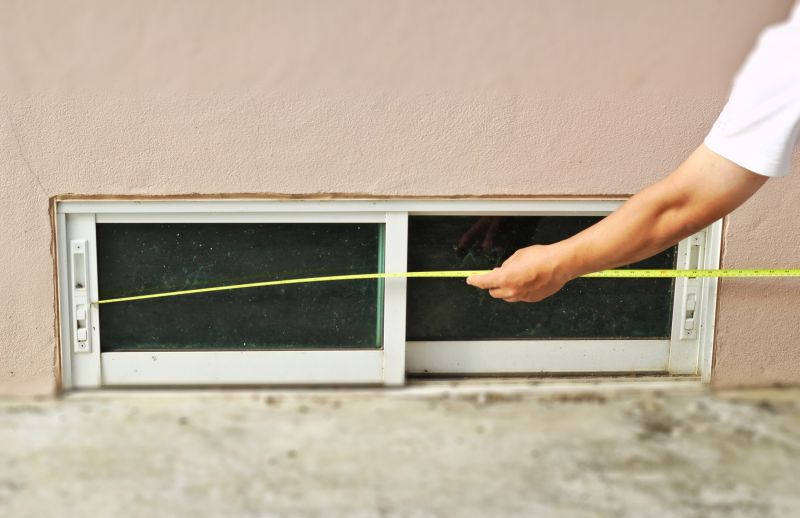
Little measurements that prevent headaches on Foundation Repairs day.
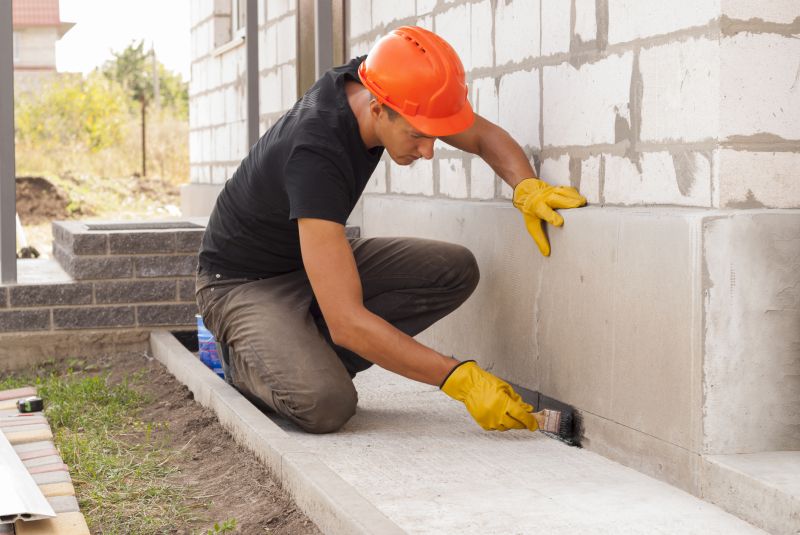
A 60-second routine that keeps Foundation Repairs looking new.
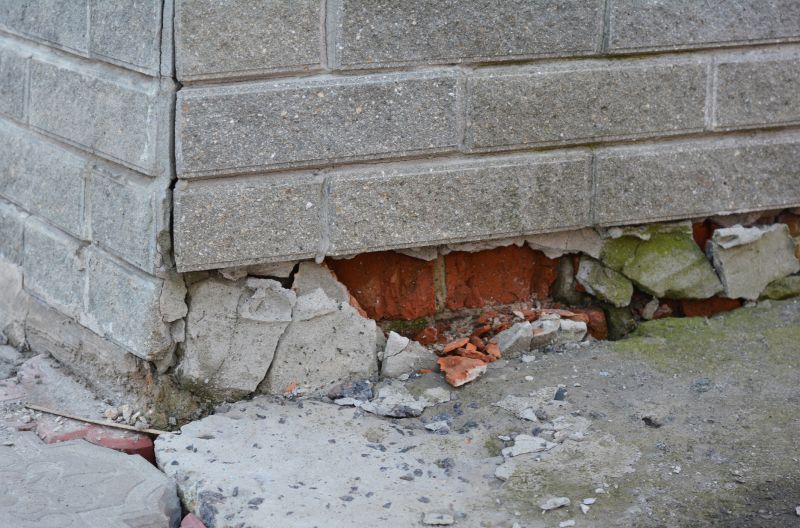
A frequent mistake in Foundation Repairs and how to dodge it.
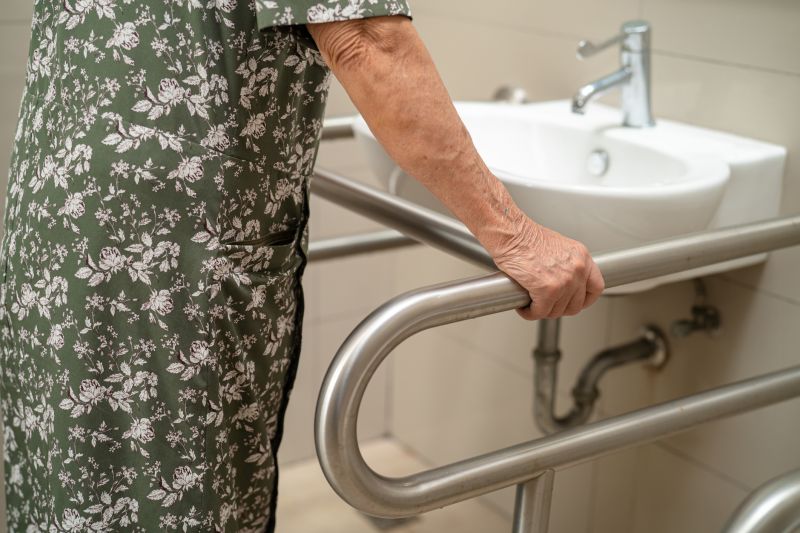
Small tweaks to make Foundation Repairs safer and easier to use.
| Season | Recommended Activities |
|---|---|
| Spring | Inspection, soil stabilization, crack repair |
| Summer | Major repairs, stabilization, curing |
| Fall | Pre-winter stabilization, crack sealing |
| Winter | Limited repairs, planning for spring |
| Dry Season | Foundation underpinning, drainage work |
| Wet Season | Monitoring, minor repairs |
| Moderate Temperatures | Major structural repairs |
| Extreme Cold | Postpone repairs until conditions improve |
Choosing the right time for foundation repairs depends on local climate conditions and soil behavior. Proper timing ensures that repairs are durable and effective, reducing the risk of future issues. Consulting with foundation specialists can help determine the optimal schedule based on specific site conditions.
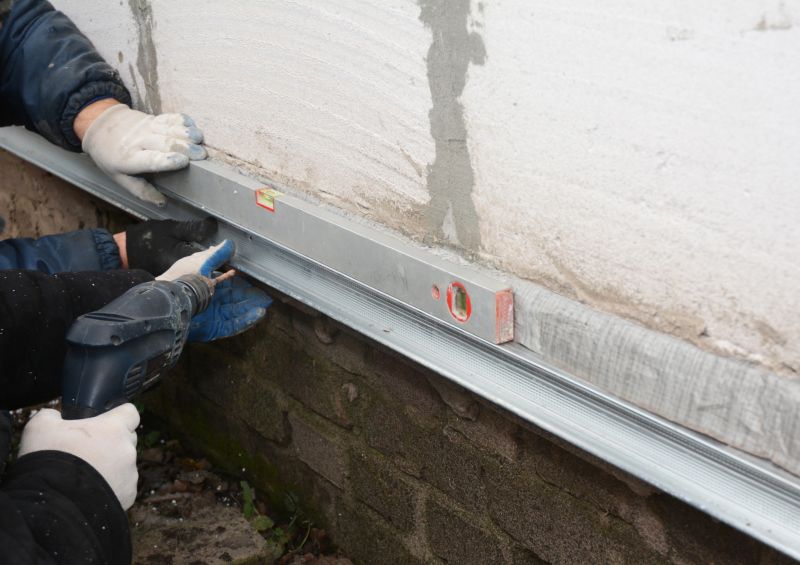
Step-by-step procedures ensure stability and longevity.
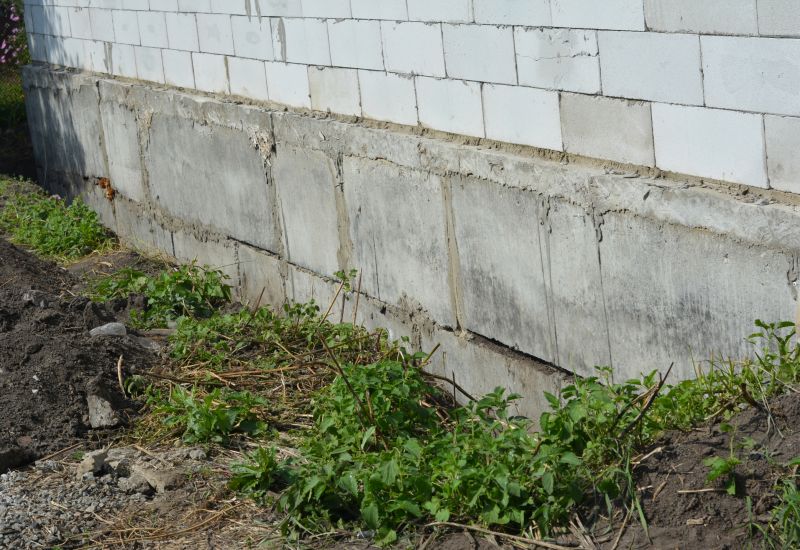
Methods to improve soil conditions before repairs.
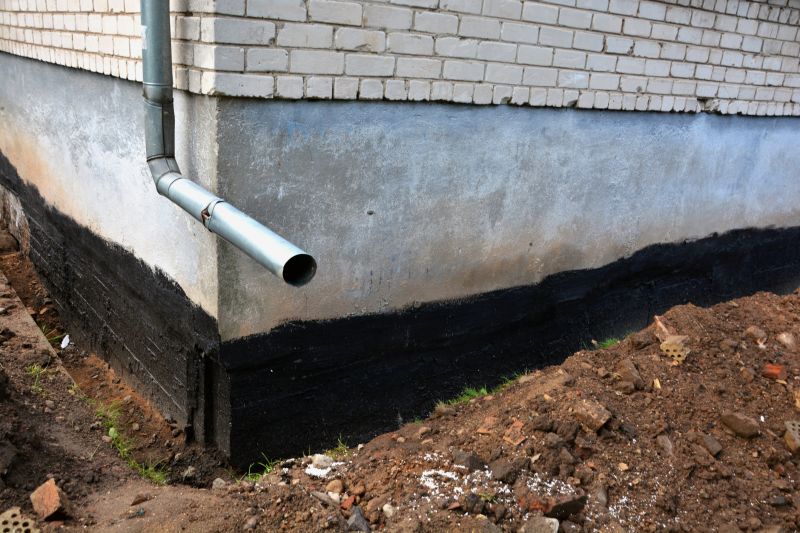
Proper drainage prevents future foundation problems.
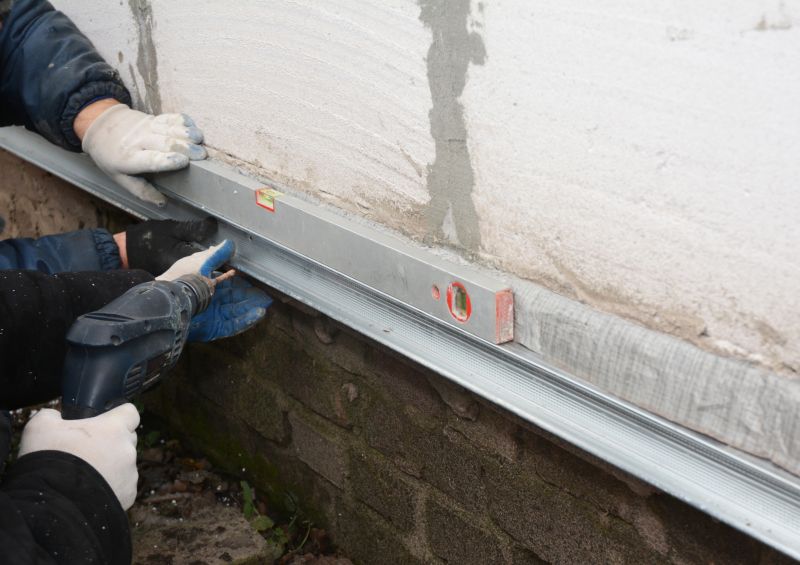
Strengthening the foundation for long-term stability.
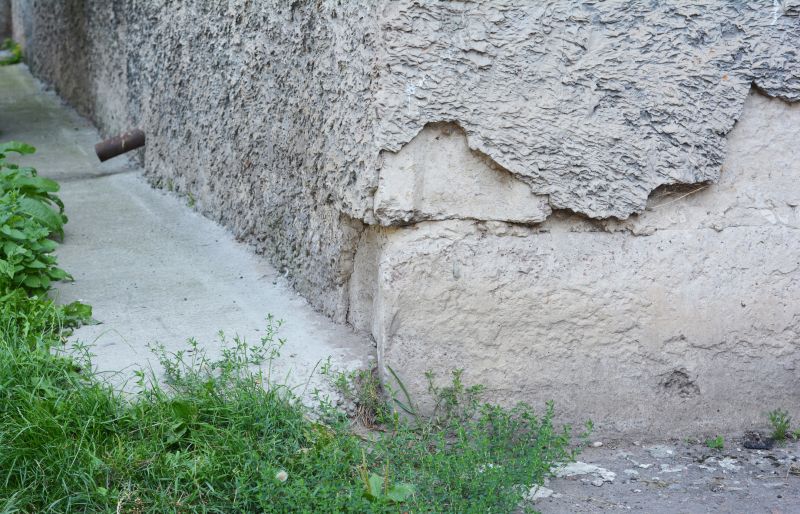
Lower-waste or water-saving choices for Foundation Repairs.
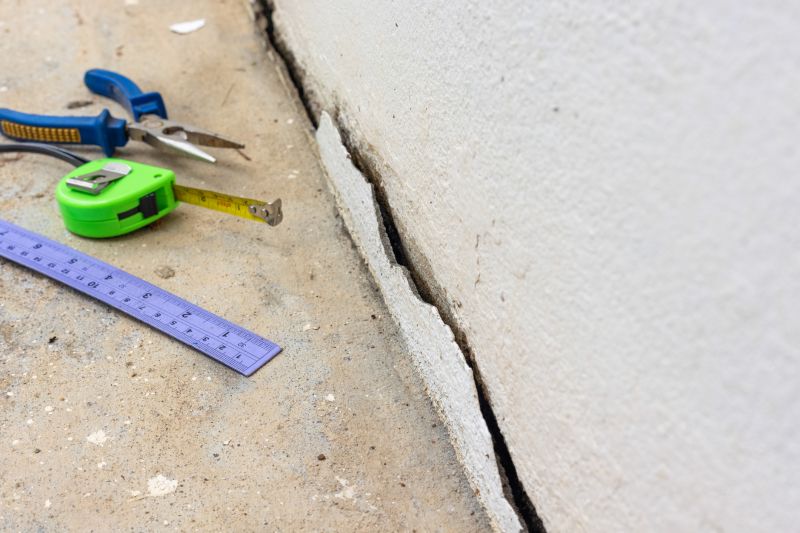
The short, realistic tool list for quality Foundation Repairs.
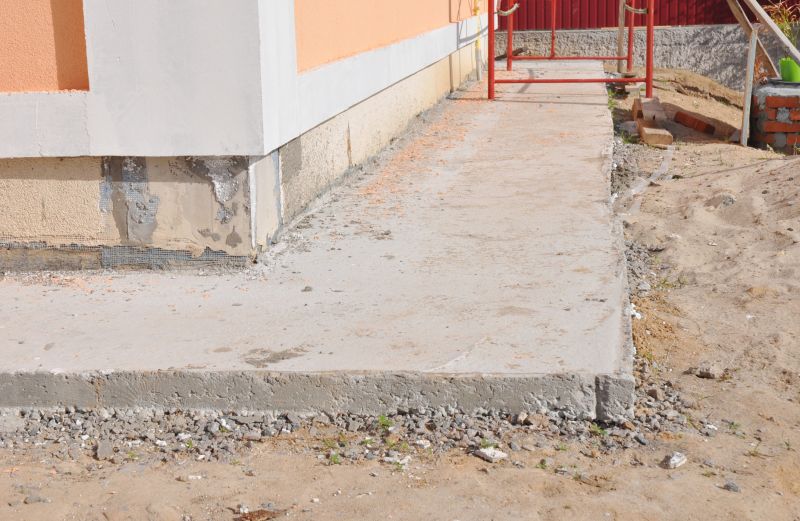
Rough timing from prep to clean-up for Foundation Repairs.
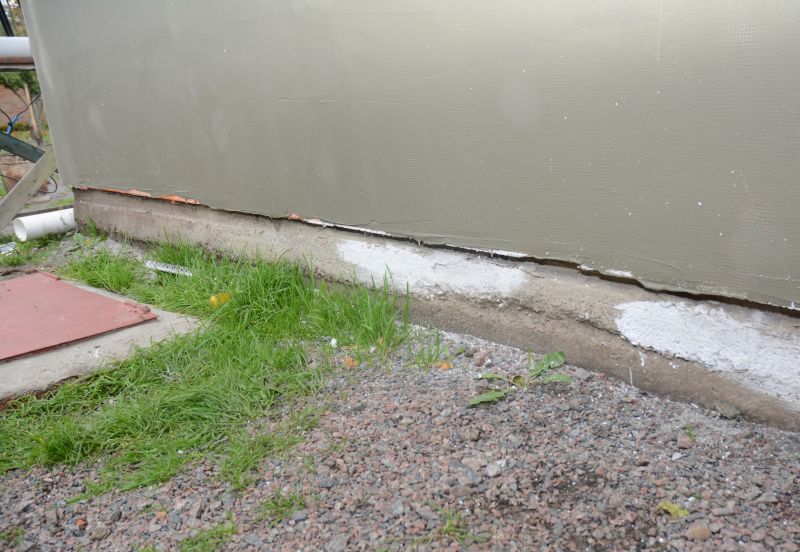
Quick checks and paperwork to keep after Foundation Repairs.
Interested in foundation repairs? Filling out the contact form provides an opportunity to discuss specific needs and schedule an inspection. Timely repairs can help maintain structural integrity and property value.